
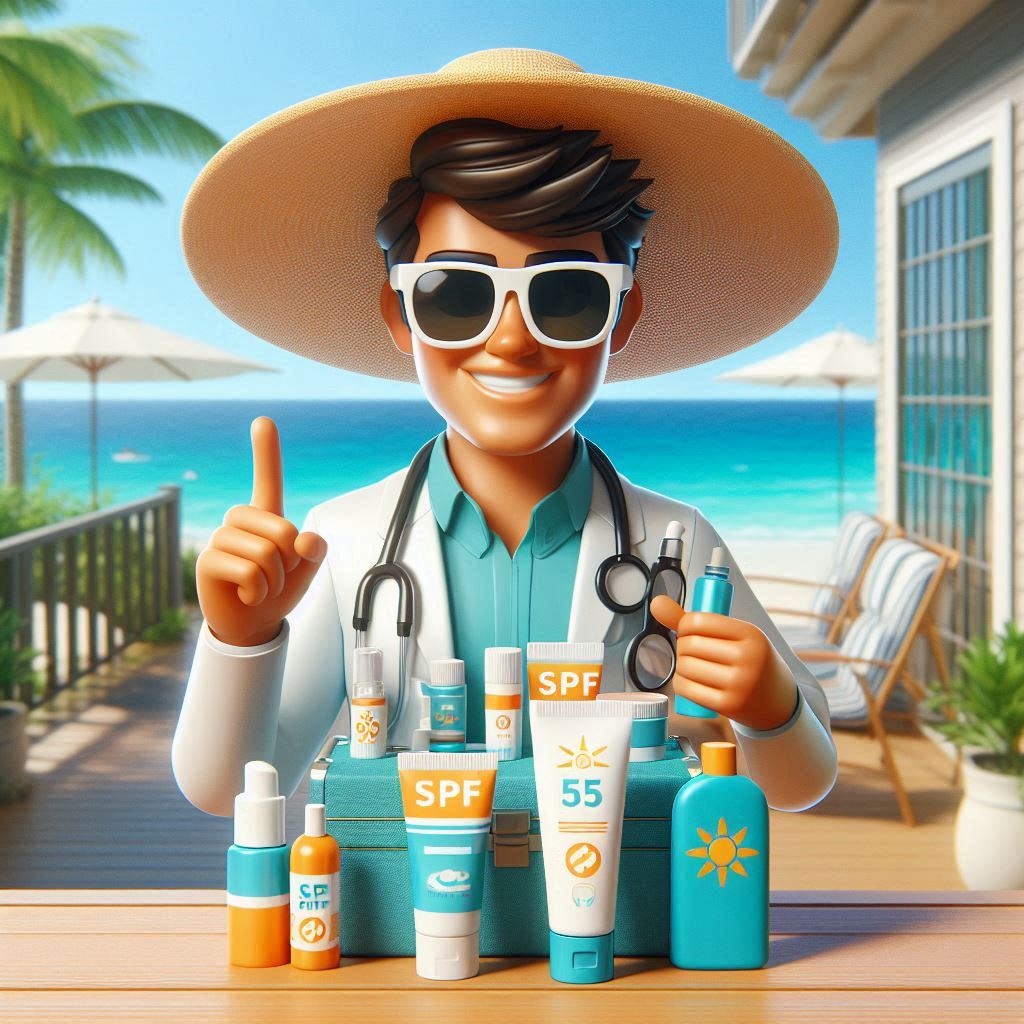
The sun is a powerful force that can elevate our mood and provide us with much-needed vitamin D. However, it can also wreak havoc on our skin, accelerating the aging process and leading to a host of skin issues. Understanding how sun exposure affects your skin is crucial for maintaining a youthful appearance and overall skin health.
The Science of Sun Damage
How UV Rays Affect Your Skin
Ultraviolet (UV) rays from the sun penetrate the skin and can cause significant damage over time. Here’s how:
- UVB Rays: Responsible for sunburn, these rays can damage the outer layer of skin. They’re most intense during the summer months and can lead to skin cancer.
- UVA Rays: These rays penetrate deeper into the skin and are primarily responsible for premature aging. They can break down collagen and elastin, leading to wrinkles and sagging.
Signs of Sun Damage
Recognizing the signs of sun damage early can help you take action to minimize its effects:
- Wrinkles and Fine Lines: Early signs of aging that can appear prematurely due to sun exposure.
- Hyperpigmentation: Dark spots or uneven skin tone can develop from prolonged sun exposure.
- Dry or Rough Texture: Sun damage can affect the skin’s barrier function, leading to dryness and roughness.
- Changes in Skin Elasticity: Loss of firmness and sagging can be accelerated by UV exposure.
Preventing Sun Damage
Prevention is key when it comes to maintaining youthful skin. Here are effective strategies:
- Use Sunscreen Daily: Choose a broad-spectrum sunscreen with at least SPF 30, and reapply every two hours, especially if you’re outdoors.
- Seek Shade: Limit sun exposure during peak hours, typically between 10 AM and 4 PM.
- Wear Protective Clothing: Long sleeves, hats, and UV-blocking sunglasses can shield your skin from harmful rays.
- Incorporate Antioxidants: Topical antioxidants like vitamin C can help neutralize free radicals caused by sun exposure.
- Stay Hydrated: Drinking plenty of water supports skin health and helps maintain its moisture barrier.
Treatments for Existing Sun Damage
If you’re experiencing signs of sun damage, there are treatment options available:
- Topical Retinoids: These can help promote cell turnover and improve skin texture.
- Chemical Peels: A professional treatment that exfoliates the skin and reduces the appearance of sun spots.
- Laser Therapy: Advanced treatments can target deeper layers of skin to stimulate collagen production.
For more information on sun protection and skin health, check out these trusted sources:
- Mayo Clinic: Sun Safety
- WebMD: Sun Damage
- WHO: Ultraviolet Radiation and Health-radiation)
- CDC: Skin Cancer Prevention
As we approach Skin Cancer Awareness Month in May, it’s vital to emphasize the importance of sun safety and skin health. Making small changes today can have a significant impact on your skin’s future. Remember, taking care of your skin is an investment in your overall health and well-being. Protecting your skin from the sun is not just about avoiding burns; it’s about preserving your skin’s youthfulness and vitality for years to come.